

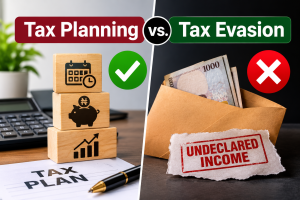
Tax is an important consideration in personal and business financial management. However, not every strategy designed to reduce a tax bill is unlawful.
Understanding the difference between tax planning and tax evasion helps individuals and businesses make responsible financial decisions.
What is tax planning?
Tax planning involves arranging financial affairs within the law to understand, manage and, where legally available, reduce tax liabilities.
Examples include:
1. Maintaining complete and accurate financial records.
2. Identifying legitimate deductions, reliefs and incentives for which the taxpayer qualifies.
3. Planning transactions with their tax implications in mind.
4. Meeting filing and payment deadlines.
5. Seeking professional advice before making significant financial decisions.
What is tax evasion?
Tax evasion involves unlawfully avoiding tax obligations through deliberate concealment, false statements or other prohibited conduct.
Examples may include deliberately understating taxable income, falsifying expenses or concealing relevant transactions from tax authorities.
Such conduct can expose taxpayers to assessments, penalties and other legal consequences, depending on the applicable law and circumstances.
Why the distinction matters
A tax-saving arrangement should not be judged by its potential savings alone. Its legal basis, commercial substance, documentation and compliance requirements also matter.
For businesses, tax planning should form part of broader financial management, alongside cash flow, investment decisions and risk control.
At 2GDB Consulting, we simplify tax, finance, and business insights, helping individuals and organizations grow smarter.
Visit us to explore more opportunities: www.2gdb-consult.com
#TaxPlanning #TaxCompliance #NigerianTax #BusinessFinance #FinancialLiteracy #TaxAwareness #2GDBConsulting
